Drone Strike Hits Cargo Ship Near Qatar: Tensions Rise Amid Fragile U.S.-Iran Ceasefire
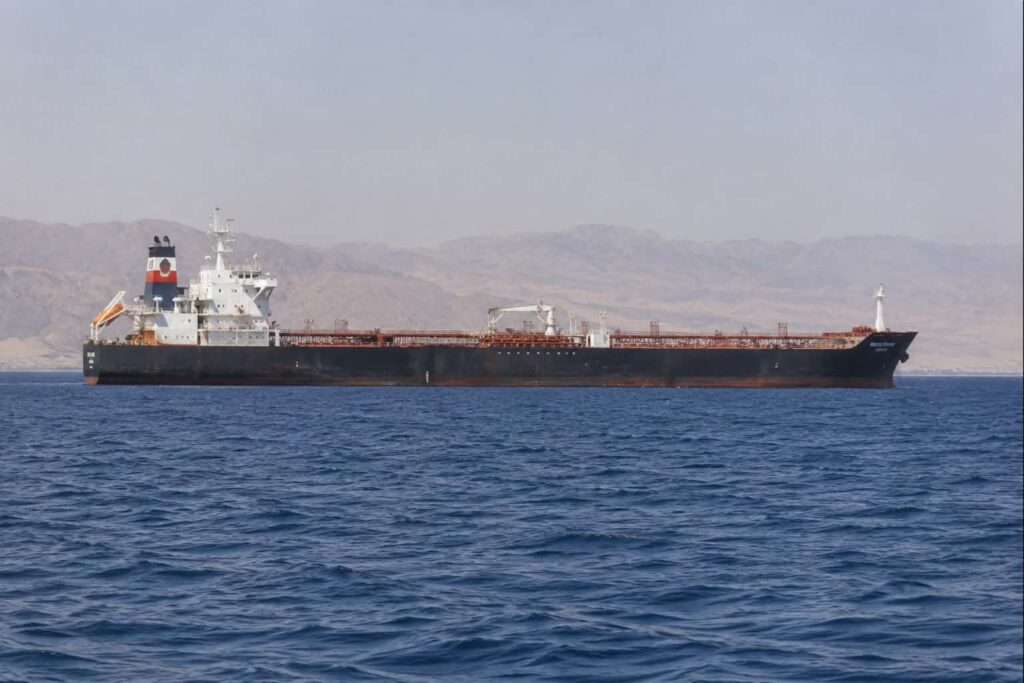
A commercial cargo vessel was struck by a drone in Qatari territorial waters, sparking a limited fire that was quickly contained. The incident occurred approximately 23 nautical miles northeast of Doha, near Mesaieed Port, according to official statements from Qatari authorities and the United Kingdom Maritime Trade Operations (UKMTO).
The vessel, en route from Abu Dhabi to Mesaieed Port, sustained minor damage but was able to continue its journey after the fire was extinguished. No injuries or casualties were reported, and there was no immediate environmental impact. Authorities have yet to identify the origin of the drone.
Qatar Confirms Drone Strike
Qatar’s Ministry of Defense issued a statement confirming the incident:
“A commercial cargo vessel in the country’s territorial waters, northeast of Mesaieed Port, coming from Abu Dhabi, was targeted by a drone this morning. This incident resulted in a limited fire onboard the vessel, with no reported injuries. The vessel continued its journey toward Mesaieed Port after the fire was brought under control. The necessary measures were taken & coordination was carried out with the relevant authorities.”
While the Qatari statement did not attribute responsibility, the ministry emphasized that all necessary safety measures were implemented to ensure the vessel and crew remained secure.
UKMTO Issues Maritime Alert
The UK Maritime Trade Operations (UKMTO) confirmed that the master of the bulk carrier reported being struck by an unknown projectile at 03:01 UTC while sailing in the area. Vessels in the vicinity were advised to exercise caution, and investigations are currently ongoing.
The UKMTO emphasized the heightened risk to commercial shipping in the Gulf region, a vital artery for global oil and trade flows, as geopolitical tensions remain high between regional powers.
Broader Regional Context
The attack comes amid multiple drone incidents in neighboring Gulf states on the same day. The United Arab Emirates (UAE) reported shooting down two drones that had entered its airspace, attributing the broader drone activity in the region to Iranian forces.
Similarly, Kuwait confirmed that hostile drones entered its airspace, prompting a response according to established military procedures, though the origin of the drones was not specified. These events mark the latest test of the fragile ceasefire that took effect roughly a month earlier between the United States and Iran following U.S.-Israeli strikes on Iranian targets on February 28, 2026.
Ongoing Ceasefire Strains
Despite the ceasefire, tensions remain high in the region. Restrictions on shipping through the Strait of Hormuz, a U.S. naval blockade of Iranian ports, and ongoing negotiations mediated by Pakistan contribute to a tense and unpredictable maritime environment. The recent drone strike underscores the fragility of the truce, highlighting the persistent risk to both commercial vessels and regional stability.
Iran has not claimed responsibility for the attack on the Qatari vessel. However, Iranian military authorities have previously warned that attacks on Iranian tankers or commercial vessels would trigger a “heavy assault” on U.S. bases in the region. Brigadier General Akrami Nia, an Iranian military spokesperson, stated that Iranian forces remain on full readiness to protect nuclear sites in the country.
Implications for Global Shipping
The Gulf region is a critical corridor for international shipping and energy exports, and even minor incidents can disrupt global trade and raise energy prices. Maritime security experts warn that drone strikes on commercial vessels are highly concerning, as they represent a new method of asymmetric warfare that is difficult to anticipate or defend against.
“Drone attacks in strategic shipping lanes are a game-changer,” said Dr. Marcus Lee, a maritime security analyst. “They are cheap, hard to trace, and capable of creating significant economic and political pressure. This incident near Qatar is a wake-up call for global shipping companies operating in high-risk zones.”
Rising Tensions Between the U.S. and Iran
The drone strike is also likely to exacerbate U.S.-Iran tensions, as Washington continues to monitor Iranian military activities closely. Analysts note that these incidents could influence ongoing negotiations on nuclear compliance and regional security, as both sides test the limits of the fragile ceasefire.
“Any attack on commercial shipping near the Gulf can have serious geopolitical consequences,” said Ahmed Rashid, a Middle East security commentator. “It sends a message that the region is far from stable, even with a ceasefire in place. This could affect energy markets, military deployments, and diplomatic negotiations.”
Safety Measures and Precautions
Authorities in Qatar and the UAE have tightened security measures for maritime traffic, and commercial operators have been urged to alter routes and increase vigilance. Shipping companies are also advised to ensure that crews are trained in emergency response protocols, particularly in regions prone to drone or missile threats.
Maritime insurance rates in the region are expected to rise as insurers reassess risk exposure following the Qatari incident. Analysts predict that companies may also accelerate the adoption of drone detection and countermeasure technologies to protect vessels traveling through contested waters.
Looking Ahead
The Qatari drone strike highlights the growing complexity of maritime security in the Gulf. With regional powers testing both military capabilities and diplomatic limits, incidents like this have far-reaching implications for global trade, energy security, and regional stability.
As investigations continue, authorities will likely examine the type of drone used, potential sponsors, and whether the attack was part of a coordinated series of strikes targeting Gulf shipping. Meanwhile, shipping companies and international organizations are watching closely, aware that even minor incidents can escalate quickly into international crises.
This latest event underscores the precarious nature of commercial shipping in geopolitically sensitive regions, and serves as a reminder that the Gulf remains a flashpoint where technological innovation, military strategy, and international diplomacy collide.